01
Research intent by language
Identify the terminology real customers use for important services instead of assuming an English keyword and its direct French translation represent identical search demand or intent.

Improve how your business appears across Google Maps, local organic search, and the Montreal searches that matter to customers. We connect Google Business Profile optimization, service and location relevance, reviews, listings, local authority, and conversion-focused website content into one clearer local search strategy.
Strong Montreal local SEO is not created by adding “Montreal” to a few headings. Search engines and potential customers need consistent information about what your business provides, where it operates, who it serves, and why it is relevant to the search being made.
That means looking at Google Business Profile, the website, service content, location signals, citations, reviews, local authority, internal linking, and the conversion journey as one connected system.
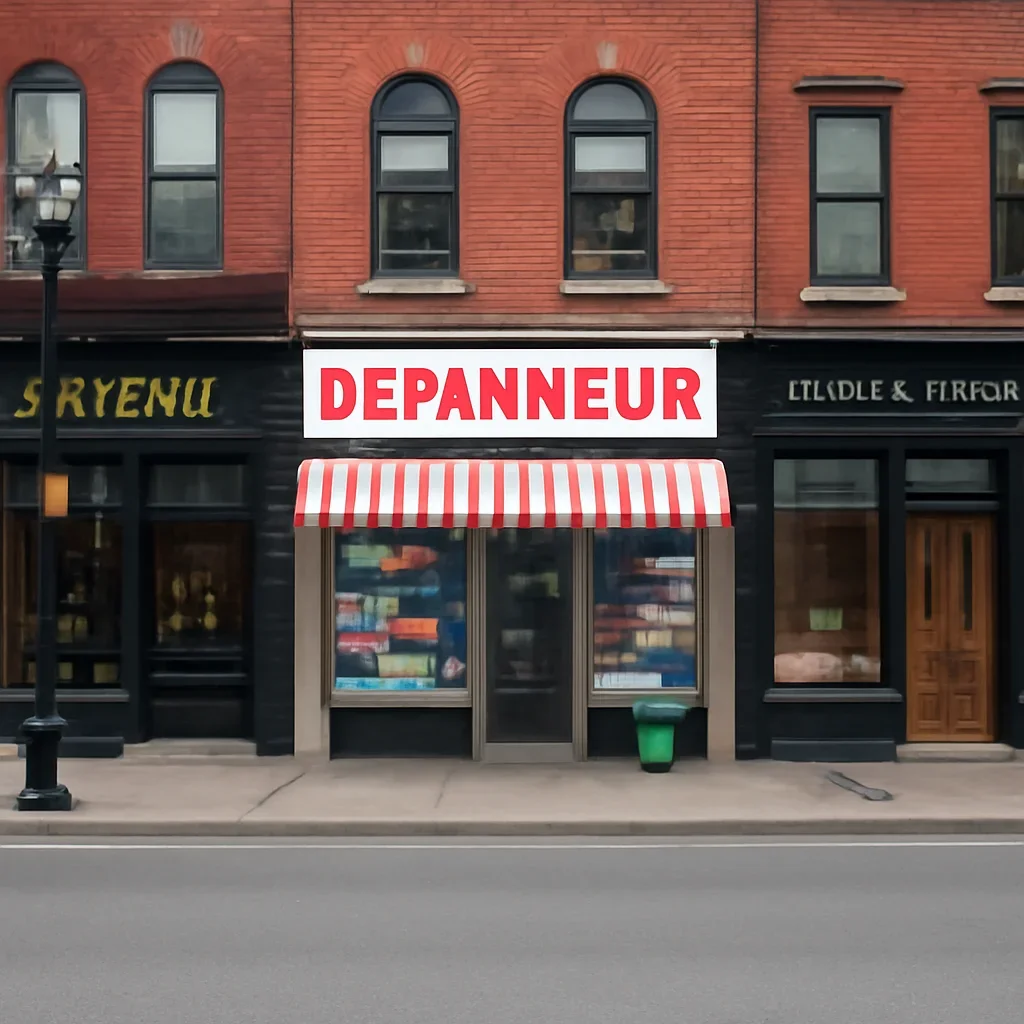
Businesses serving Montreal should think beyond simple translation. Customers may describe services, problems, products, and locations differently depending on the language they use to search.
Identify the terminology real customers use for important services instead of assuming an English keyword and its direct French translation represent identical search demand or intent.
Where the website serves customers in more than one language, important service, business, geographic, and conversion information should remain accurate and understandable across those experiences.
Each page should have a clear purpose. Translating weak or repetitive location content does not make the underlying search strategy stronger.
The language used to attract a customer should lead into a clear, useful experience that explains the service and makes the next action easy to understand.
Montreal contains several distinct local search environments. Use borough and neighbourhood context when it improves geographic clarity rather than creating a large collection of near-identical landing pages.
Customer-facing businesses competing in central areas may rely heavily on proximity, profile quality, reviews, clear business information, service relevance, and an easy path to visiting or contacting the business.
Restaurants, professional services, personal services, healthcare, retail, and other businesses may face strong local comparison behaviour where reputation and Maps visibility are particularly visible to searchers.
Service businesses can use meaningful local context while keeping the main focus on the specific service customers need rather than building pages around neighbourhood names alone.
Businesses serving local residents, commercial customers, or wider service areas should clearly communicate who they serve and whether customers visit the business or the company travels to them.
Local visibility should reflect relevant services, customer needs, profile accuracy, reputation, and real geographic coverage instead of broad city-name optimization alone.
The customer still has to understand what you offer, whether you serve them, why your business appears trustworthy, and what action to take next.
Build enough service and geographic relevance to compete when someone searches for an appropriate local business in Montreal.
Customers may compare Maps results, reviews, websites, services, locations, business details, and reputation before deciding who deserves consideration.
Once the right customer reaches your profile or website, calling, booking, requesting a quote, visiting, or sending an enquiry should be straightforward.
No single profile field, link, citation, review, or page determines the entire result. The objective is a consistent local search footprint that makes the business easier to understand.
Improve categories, services, business details, website connections, location information, and service-area settings.
Explore GBP managementBuild useful pages around real services, legitimate geographic coverage, customer questions, and distinct local intent.
Explore location page SEOReduce conflicting business information across useful directories and local data sources.
Explore listing managementStrengthen relevant links and mentions connected with your industry, community, and geographic market.
Explore local link buildingReview the combined profile, website, reputation, and local signals supporting competition in Google's local results.
Explore Local Pack SEOConnect visibility with profile interactions, website activity, key pages, calls, enquiries, and other useful business actions.
Explore reporting & analyticsNearby or related markets should support one another through a clear location structure, not compete with substantially identical content.
Focus on Montreal-specific customer intent, service relevance, borough context, language considerations, Maps competition, and city-level visibility.
Treat Laval as its own local market rather than presenting it as another Montreal neighbourhood or duplicating the Montreal content.
Use broader provincial content to establish the wider geographic structure without trying to replace detailed city-level pages.
Keep important service expertise on dedicated pages so geographic pages do not have to repeat the complete service description for every city.
The work should focus first on the signals most likely to limit local relevance, discovery, trust, or conversion quality.
Start with priority services, customer language, real service areas, Google Business Profile, website structure, rankings, location content, citations, reviews, competitors, and current lead paths.
Determine whether profile quality, language alignment, service relevance, local pages, listings, reputation, technical issues, authority, or conversion paths deserve attention first.
Improve the relationship between important services, geographic coverage, profile information, website content, reviews, listings, internal links, and supporting local authority.
Review local search performance alongside Google Business Profile activity, organic traffic, calls, bookings, quote requests, enquiries, and important page conversions where tracking is available.
Local SEO should not be judged only by how many searches generate an impression. The stronger opportunity is visibility that matches the service, language, geography, and customer intent the business actually wants.
Prioritize searches connected with services your business genuinely provides and wants to grow.
Make important service and conversion information understandable to the customers you are trying to reach.
Help searchers determine whether they fall within your actual Montreal location or service area.
Reviews, useful content, clear business information, and an obvious next step can turn discovery into qualified enquiries.
The right strategy depends on your services, customer language, physical location or service area, Google Business Profile, website, reviews, competition, and the parts of Montreal you genuinely need to reach.
The core principles remain consistent, but Montreal businesses may need to account for multilingual search behaviour, borough-level competition, service-area differences, Google Business Profile strength, website relevance, reviews, and the geographic relationship between Montreal and nearby markets.
French-language search can be important for businesses serving Montreal customers. The right approach depends on your audience and services, but keyword research and content should reflect how customers actually describe and search for those services rather than relying only on direct translation.
The best structure depends on the website and customer journey. What matters is that each page remains useful, understandable, and clearly aligned with its intended search audience rather than becoming a list of duplicated keyword variations in two languages.
Usually not. Borough pages should only exist when there is enough genuine geographic, service, or customer information to justify them. For many businesses, a strong Montreal page supported by detailed service pages is more useful than many thin borough pages.
No. If both markets matter to the business, each page should reflect its own geographic relevance, customer needs, services, search context, and local competition instead of repeating the same content with a different city name.
Yes. Contractors, trades, mobile services, and other companies that travel to customers can build Montreal relevance while accurately representing where they operate, without implying storefronts or offices in every borough they serve.
Existing profiles can be reviewed for categories, services, business details, address or service-area settings, website connections, reviews, duplicate issues, and other elements relevant to local search visibility.
There is no responsible fixed timeframe for every business. Progress depends on competition, profile and website quality, service relevance, reviews, citations, local authority, technical issues, geographic targeting, content quality, and how established competing businesses already are.
Useful measurement can include visibility for priority Montreal searches, Google Business Profile activity, organic traffic, important service and location-page performance, calls, bookings, quote requests, enquiries, and other relevant business actions where suitable tracking is available.

Tell us what your business does, which services matter most, which parts of Montreal you need to reach, and what you are seeing in local search today. We can review the current setup and identify where profile quality, language targeting, website relevance, local content, reviews, listings, or other signals deserve attention.