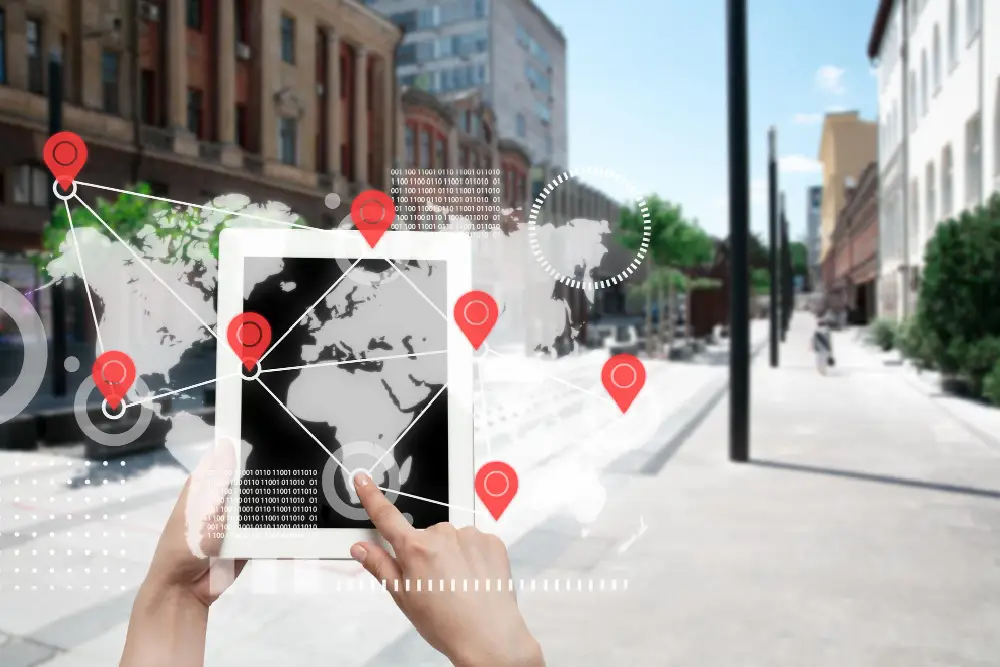
In 2026, generic “City + Service” keywords are no longer enough. AI search and voice assistants focus on micro-markets, sometimes a single neighborhood or even a few blocks. Canadian businesses that dominate their local neighborhoods gain higher conversions and AI citations.
For guidance, check our home page and explore our local SEO for small business services.

Why Hyper-Local SEO is the Future for Canadian Businesses
Traditional SEO strategies target cities or regions, but competition is fierce. AI-driven search prefers businesses that dominate a specific micro-market.
Hyper-local SEO lets you:
- Target specific neighborhoods like Liberty Village or North York
- Create local landing pages for each area
- Optimize content for hyper-local search intent (“best vegan brunch in The Annex open now”)
- Increase conversion by owning small, high-intent areas
Key Strategies for Neighborhood-Level SEO in 2026
Local Landing Pages for Each Neighborhood
Build dedicated pages for every neighborhood you serve. Each page should:
- Include the neighborhood name in H1 and meta
- Highlight services specific to that area
- Mention local landmarks, streets, or events
- Include customer testimonials from the area
Example: A Vancouver bakery could have pages for Kitsilano, Gastown, and Mount Pleasant with menus, opening hours, and events.
Hyper-Local Schema Markup
Schema helps AI recognize your business as the authoritative source for a neighborhood. Include:
- ServiceArea or SAB (Service-Area Business) tags
- Hyper-local addresses or service polygons
- Reviews and ratings linked to specific locations
This boosts AI citations for micro-market queries.
Optimize for Micro-Market Keywords

Instead of “Toronto brunch,” use:
- “Best vegan brunch in Liberty Village open now”
- “North York coffee shop with outdoor seating”
These keywords match AI search intent and attract high-converting traffic.
Service-Area Business (SAB) Strategies
SAB optimization focuses on exact service reach, not the whole city. Steps:
- Define service areas as polygons in Google Business Profile
- Optimize landing pages for each neighborhood
- Include local landmarks, streets, or popular destinations
- Use consistent NAP (Name, Address, Phone) data
Traditional SEO vs. Hyper-Local 2.0
| Strategy | Focus | AI Visibility | Conversion Potential |
| Traditional SEO | City or region | Medium | Moderate |
| Neighborhood-Level SEO | 1–5 blocks / neighborhood | High | Very High |
This shows why Canadian businesses need Hyper-Local 2.0 strategies to dominate micro-markets.
Tips to Own Your Neighborhood Micro-Market

- Mention local landmarks, parks, streets, and events
- Add customer testimonials from each neighborhood
- Create neighborhood-specific blog posts
- Include maps and directions for AI and users
- Track AI citations and voice search queries
By dominating a 5-block radius, your business gains higher visibility and trust in AI search results.
Combining Hyper-Local SEO with GEO & E-E-A-T
Neighborhood SEO works best when combined with:
- GEO optimization – Ensures AI recognizes your local authority
- E-E-A-T audits – Proves your experience and trustworthiness
- Review sentiment analysis – AI prioritizes businesses with verified social proof
This holistic strategy maximizes both local SEO and AI visibility.
Ready to Dominate Your Neighborhood in 2026?
Canadian small businesses can no longer rely on broad city-level keywords. Hyper-local SEO, neighborhood landing pages, and AI-focused schema give you competitive advantage in micro-markets.
For professional guidance, visit our local SEO services or contact our team.